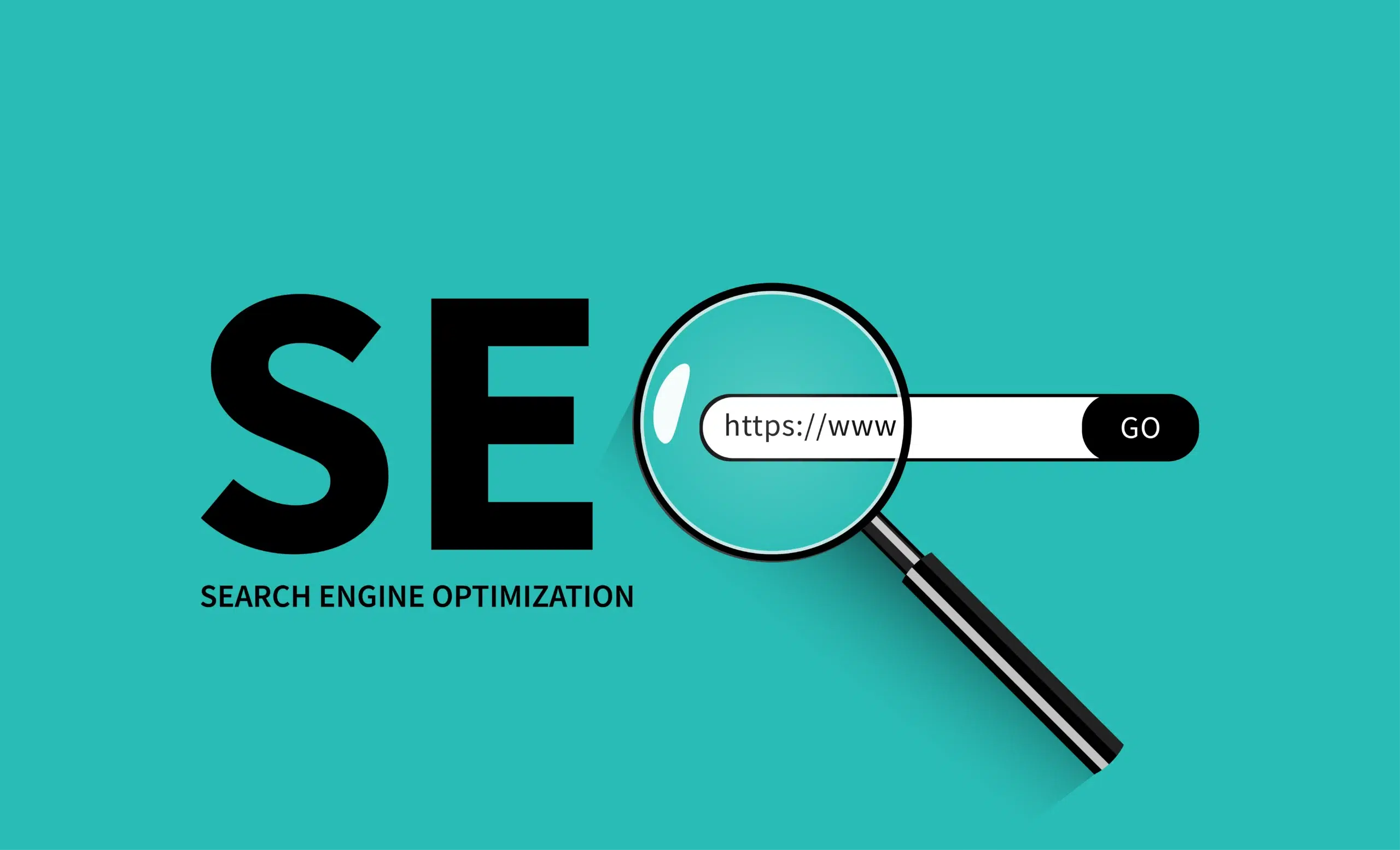

If the phrase “keyword research” makes your brain short-circuit… you’re not alone. But choosing the right keywords is one of the most powerful things you can do for your website, especially if you’re a small business trying to get found online without throwing money at ads.
Here’s a simple guide to understanding what keywords actually are, why they matter, and how to find ones that connect you with your dream clients.
What Are Keywords, Really?
Keywords are the terms people type into Google and other search engines when they’re looking for something. Think of them as the bridge between what someone wants and the content you’ve created. If you’re a web designer in the Bay Area, your keyword might be ‘web design for small businesses’ or ‘Bay Area web designer.’
Why Keywords Matter (Even If You’re Not an SEO Nerd)
Good keywords help your website:
– Get found by search engines
– Show up for the right audience
– Communicate clearly what each page is about
They’re also how Google connects your content to what people are already searching for. So if you skip this step, you’re basically whispering in a noisy room.
How to Find the Right Keywords (Without Wanting to Cry)
You don’t need to be an SEO wizard to find useful keywords. Here are some ways to get started:
– Use tools like Keywords Everywhere, Ubersuggest, or Google Keyword Planner
– Type your service into Google and look at autocomplete or ‘People Also Ask’
– Talk to your clients. What do they say when they describe what they’re looking for?
– Peek at your competitors’ page titles and blog topics
How to Use Keywords on Your Site
Once you’ve got your keywords, put them to work:
– In your H1 (main page title)
– In the first paragraph of your content
– In your meta title and meta description
– In alt text for images
– In anchor text for internal links
And no, this isn’t about stuffing a keyword into every sentence. Google is smarter than that. Use them where they make sense, naturally and intentionally.
Pro Tip: Focus on Search Intent, Not Just Volume
High-volume keywords might sound appealing, but if they don’t match what your audience actually needs, they won’t convert. A keyword like ‘branding’ is super broad but ‘branding services for nonprofits’ speaks directly to a specific audience.
Look for that sweet spot between relevance and search demand.
Final Thoughts: Keep It Simple and Strategic
You don’t need to chase trendy keywords or use complex tools. Just focus on what your people are searching for and how you can show up to help them.
The right keywords + clear messaging = better visibility, more clicks, and views from people who are actually looking for what you offer.